

Google Becomes Latest Victim in Massive Salesforce Data Breach
August 10, 2025
The AI Infrastructure Boom: From Nokia’s $4B US Bet to Foxconn’s Supercomputer Cluster
November 23, 2025




In the fast-paced world of technology, smartphones are more than just communication devices; they are our personal assistants, entertainment hubs, and powerful tools for productivity. With new models constantly emerging and features evolving at lightning speed, picking the “best” smartphone in 2025 can feel like navigating a labyrinth. This guide aims to simplify that journey, helping you understand what truly matters when investing in your next pocket companion.
Before diving into specifications, the most crucial step is to assess your own needs and usage patterns. Are you a casual user who primarily browses social media and makes calls? Or are you a power user who demands top-tier performance for gaming, video editing, or professional tasks? Your answers will significantly narrow down your options.
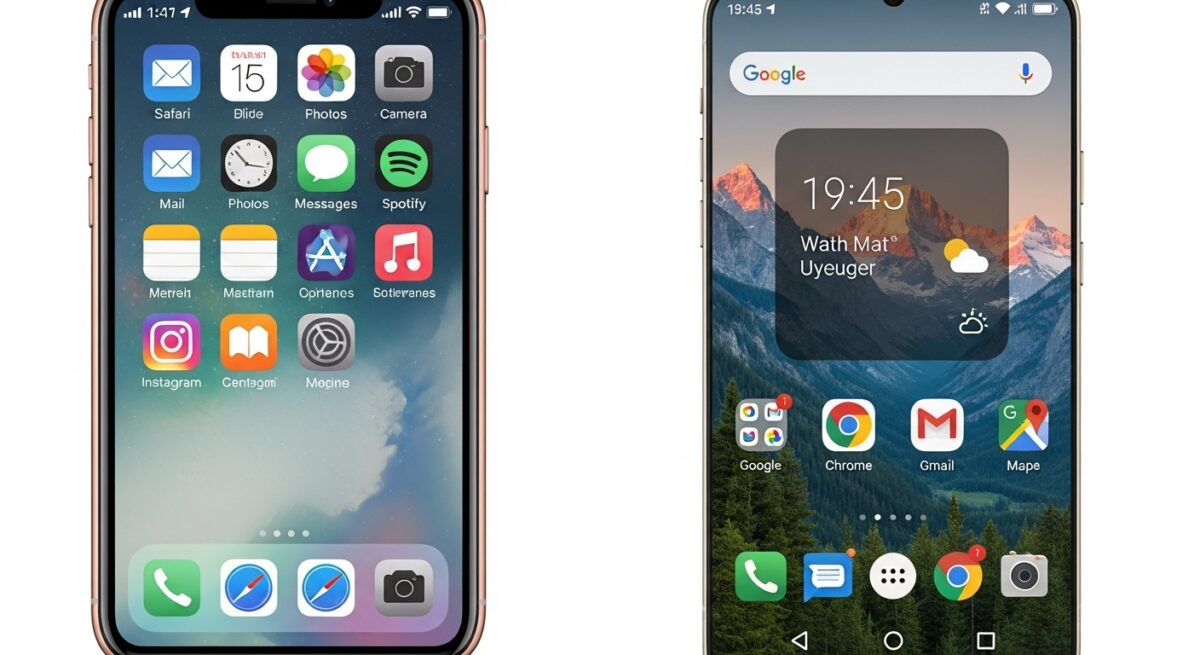
This is often the first and most significant decision for many users. Both Android and iOS (Apple’s operating system) offer robust ecosystems, but they cater to different preferences.
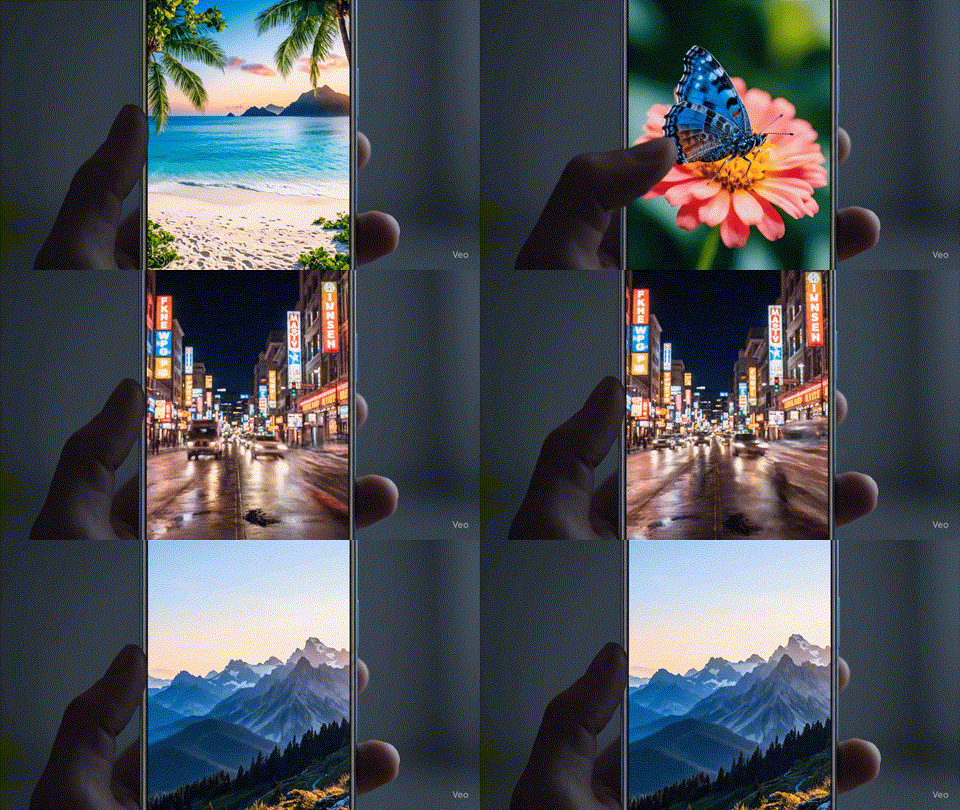
The display is your window to the smartphone experience. Consider the following:
Resolution: Higher resolution (e.g., QHD+ or 4K) means sharper images and text. However, it also consumes more battery. For most users, a Full HD+ display is more than sufficient.
For many, the camera is a primary decision-maker. While megapixels indicate the size of an image, they don’t tell the whole story about photo quality. Look for:
The processor (often called the System-on-a-Chip or SoC) and RAM (Random Access Memory) are the brains and muscle of your smartphone. They dictate how smoothly apps run, how quickly you can switch between tasks, and how well the device handles demanding games or applications.
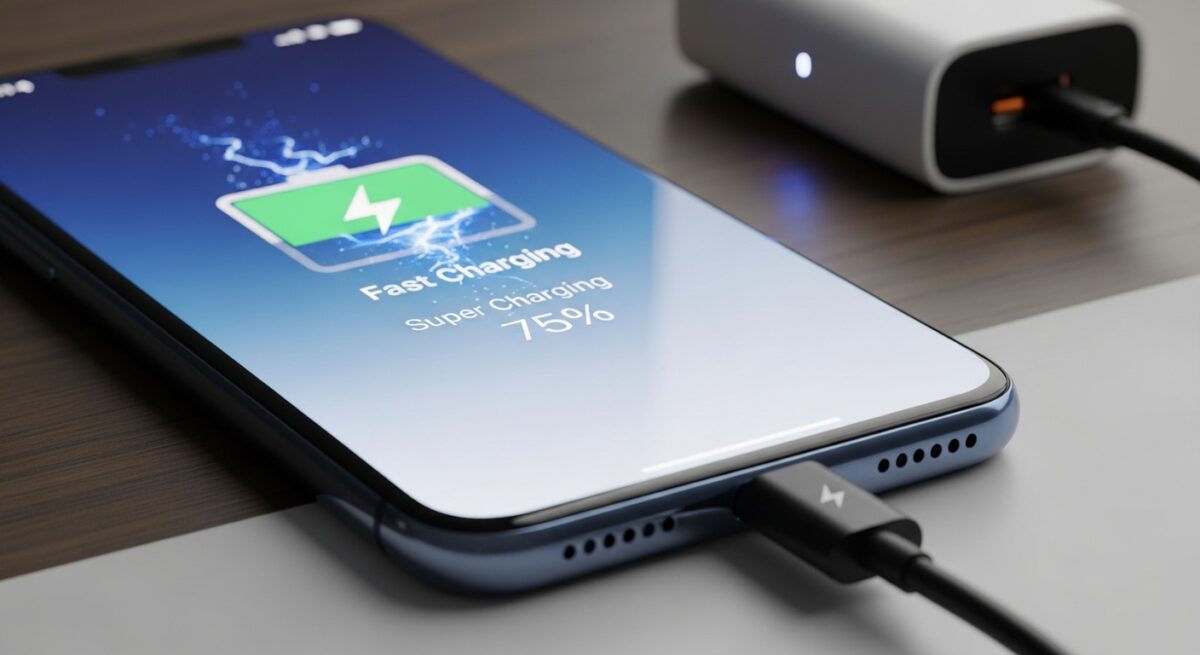
Nobody wants a smartphone that dies before the day is over. Battery capacity is measured in milliampere-hours (mAh), but real-world battery life depends on a combination of factors:
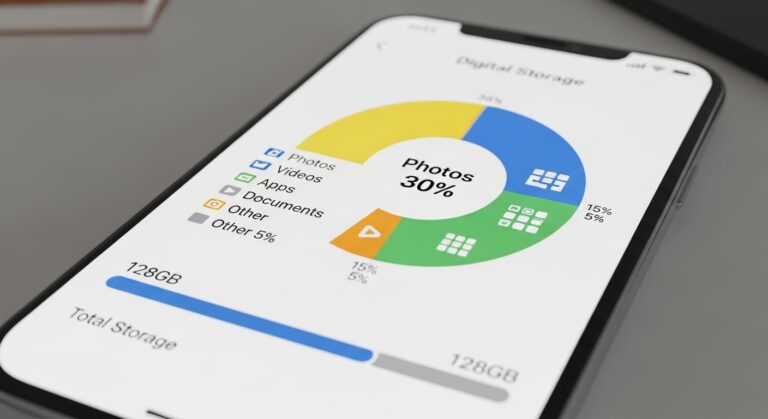
From apps and photos to videos and documents, your smartphone accumulates a lot of data. Storage options typically range from 128GB to 1TB or more.
Beyond the core features, a few other aspects can influence your decision:
Choosing the best smartphone in 2025 isn’t about finding a single “best” device, but about finding the best device for you. By carefully considering your needs, understanding the key features, and weighing the pros and cons of Android and iOS, you can confidently select a smartphone that will serve you well for years to come. Happy hunting for your perfect pocket companion!
1 Comment
Hi there.
fogerlogtech.com, It’s clear you put real effort into your site—thank you.
I recently published my ebooks and training videos on
https://www.hotelreceptionisttraining.com/
They feel like a standout resource for anyone interested in hotel and management. These ebooks and videos have already been welcomed and found very useful by students in Russia, the USA, France, the UK, Australia, Spain, and Vietnam—helping learners and professionals strengthen their real hotel reception skills. I believe visitors and readers here might also find them practical and inspiring.
Unlike many resources that stay only on theory, this ebook and training video set is closely connected to today’s hotel business. It comes with full step-by-step training videos that guide learners through real front desk guest service situations—showing exactly how to welcome, assist, and serve hotel guests in a professional way. That’s what makes these materials special: they combine academic knowledge with real practice.
With respect to the owners of fogerlogtech.com who keep this platform alive, I kindly ask to share this small contribution. For readers and visitors, these skills and interview tips can truly help anyone interested in becoming a hotel receptionist prepare with confidence and secure a good job at hotels and resorts worldwide. If found suitable, I’d be grateful for it to remain here so it can reach those who need it.
Why These Ebooks and Training Videos Are Special
They uniquely combine academic pathways such as a bachelor of hospitality management or a master’s degree in hospitality management with very practical guidance on the front desk agent description. They also cover the hotel front desk job description, and detailed hotel front desk tasks.
The materials go further by explaining the reservation systems in hotels, check-in and check-out procedures, guest relations, and dealing with guest complaints—covering nearly every situation that arises in the daily business of hotel reception.
Beyond theory, my ebooks and training videos connect the academic side of resort management with the real-life practice of hotel front desk duties and responsibilities.
– For students and readers: they bridge classroom study with career preparation, showing how hotel management certificate programs link directly to front desk skills.
– For professionals and community visitors: they support career growth through questions for reception interview, with step-by-step interview questions for receptionist with answers. There’s also guidance on writing a strong receptionist job description for resume.
As someone who has taught hospitality management programs for nearly 30 years, I rarely see materials that balance the academic foundation with the day-to-day job description of front desk receptionist in hotel so effectively. This training not only teaches but also simulates real hotel reception challenges—making it as close to on-the-job learning as possible, while still providing structured guidance.
I hope the owners of fogerlogtech.com, and the readers/visitors of fogerlogtech.com, will support my ebooks and training videos so more people can access the information and gain the essential skills needed to become a professional hotel receptionist in any hotel or resort worldwide.
Thanks again for all the work you do here.